In the summer of 2026, the FIFA World Cup will bring one of the largest sporting events in the world to North America. Over a month of matches, from June 11 to July 19, will take place across major U.S. cities including Atlanta, Boston, Houston, Los Angeles, Miami, New York/New Jersey, Philadelphia, the San Francisco Bay Area, and Seattle.
For employers and transportation demand managers (TDMs), this raises a critical question:
How will employees get to work when millions of visitors are flooding city streets?
The World Cup will test transportation networks across the country, and employers that prepare early will have a major advantage.
Large global events dramatically increase travel demand. The 2022 World Cup attracted over 3.4 million spectators, and the 2026 tournament is expected to bring similar or larger crowds across North America.
In U.S. host cities, transportation agencies have already begun planning years in advance. By 2025, host cities finalized mobility strategies designed to manage visitors, media, and residents moving through already complex transportation systems.
But even with planning, congestion will be unavoidable.
A recent survey found:
That means millions of additional vehicles on already congested urban roads.
For cities like Atlanta, which will host eight matches, officials are already warning that the tournament could create congestion comparable to hosting multiple Super Bowls in a single month.

The biggest transportation challenge during the World Cup isn't just moving fans.
Employees still need to get to work.
During large international events, cities must balance four competing travel demands:
Transportation planners warn that what works for everyday traffic does not scale for mega-events like the World Cup.
For employers, this means the traditional commuting options employees rely on may become unreliable.
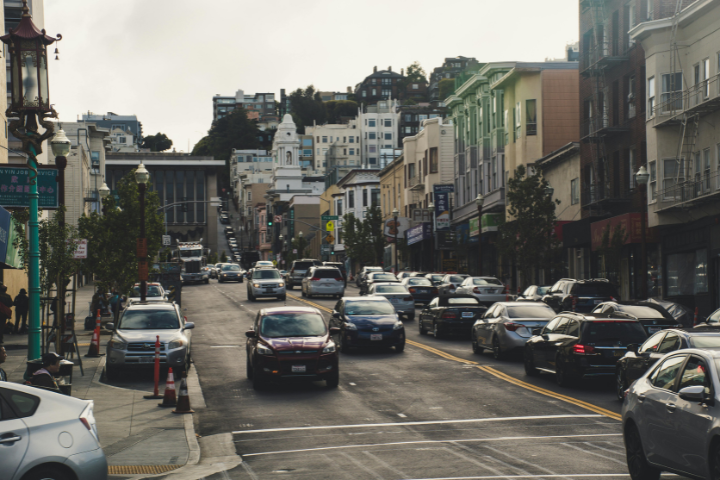
Road congestion will likely spike across host cities as visitors drive between matches, fan festivals, hotels, and airports.
Many organizations subsidize buses or shuttles, but these vehicles operate on the same congested road networks.
These programs reduce vehicle counts, but they still rely on the same roads.
When traffic grinds to a halt, every road-based mode slows down.
Employees need a commuting option that bypasses congestion entirely. Enter electric bikes and scooters.
Ebikes offer a rare advantage during major events. They operate outside of car traffic.
In many host cities, employees can travel using:
This makes ebikes uniquely resilient during large events.
E-bikes also make commuting by bike more accessible for employees who may be hesitant to try it. Electric pedal assist reduces the physical effort required, allowing riders to travel quickly through traffic without arriving to work sweaty or exhausted.
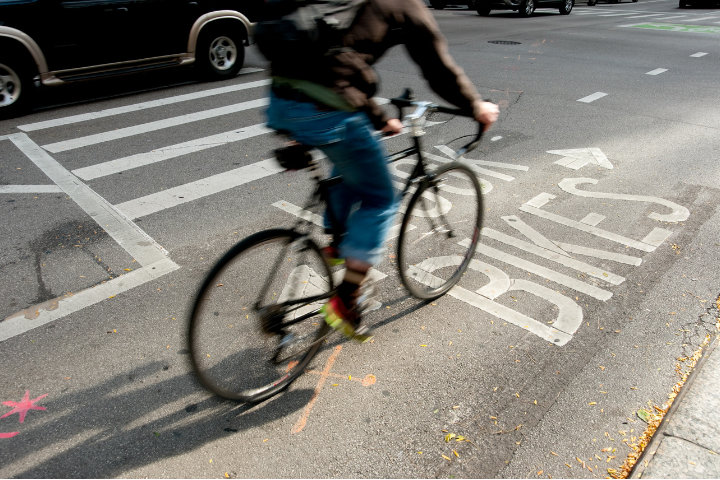
1. They bypass congestion
When streets fill with visitors, bikes keep moving.
2. They scale quickly
Employers can deploy programs within weeks. Plus, with Ridepanda, employees get their own vehicle. This means their bike or scooter is always available to them, unlike shared mobility programs that will also be used by visitors and tourists.
3. They reduce parking demand
Parking near offices and transit stations will be limited during the event.
4. They support hybrid commuting
Employees can bike to transit hubs for first/last mile options, or ride the whole way when trains or buses become overcrowded.
Giving employees access to this new commute option also signals to your team that you care about their experience not just at work, but also getting to and from work. It shows that you are thinking ahead and want to make sure that they experience the least amount of disruption possible.
The World Cup begins in June 2026, which means organizations have a limited window to prepare. Launching an ebike commuting program now gives employers time to thoughtfully roll out a new benefit and ensure employees are ready to ride when congestion peaks.
Starting early allows organizations to design a program that works for both the company and employees. For example, employers partnering with Ridepanda can take time to determine the right level of subsidy for their workforce and make sure employees understand how the subsidy works.
Early rollout also gives companies the opportunity to properly introduce the program to employees. Internal communications, launch campaigns, and education can help build awareness and excitement around a new commuting option long before the World Cup traffic begins.
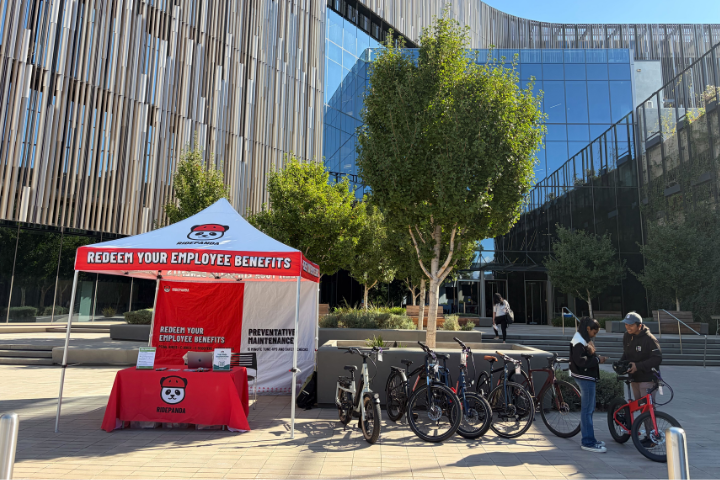
Ridepanda can also support employers by hosting onsite events and demo days, where employees can test ride ebikes and get guidance on choosing the right vehicle for their commute. These events often help remove uncertainty for first-time riders and make the transition to bike commuting feel more approachable.
Most importantly, starting now allows adoption to grow gradually. Employees can begin incorporating ebikes into their weekly routines, learning safe routes and building confidence over time. By the time the World Cup arrives, many employees will already have a reliable commuting alternative that allows them to bypass congestion and get to work smoothly.
Instead of scrambling to respond to traffic disruptions when the tournament begins, employers who plan ahead can ensure their workforce is prepared, and keep their teams moving even during one of the largest travel events in the world.
Across the United States, governments and transportation agencies are investing heavily to prepare for the World Cup.
The Federal Transit Administration recently announced over $100 million in funding for public transit systems in host cities including:
Transit agencies are planning:
But transit alone will not solve the problem.
Large events typically overwhelm transportation systems because commuters, tourists, and event attendees all travel simultaneously.
This is where employer-led mobility programs can make a major difference.
Organizations in World Cup host cities should begin planning workforce mobility strategies today.
1. Launch or expand ebike commuting programs
Give your employees time to explore bike and scooter options, research new routes, and get comfortable with this new commute mode before the tourists and spectators arrive.
The earlier employees shift from driving, the smoother the transition will be. Their first day biking to work should not be during the highest traffic event of the year.
Ebikes can extend the reach of rail and bus networks by solving the first- and last-mile problem.
Employers can support riders with:
Ridepanda has a ton of great resources for employees on our Youtube channel, check them out here!
The 2026 World Cup will be one of the largest transportation challenges many U.S. cities have ever faced.
For employers, the key takeaway is simple:
Employees still need to get to work, even when millions of visitors arrive.
Organizations that provide flexible commuting options will protect productivity, reduce stress for employees, and help cities move more efficiently during the tournament.
And in congested host cities, ebikes may be the most reliable way to keep people moving.
By submitting this form you agree to receive communications by text message about my inquiry.
You may opt-out by replying STOP or ask for more information by replying HELP. Message frequency varies. Message and data rates may apply. You may review our Privacy Policy to learn how your data is used.
