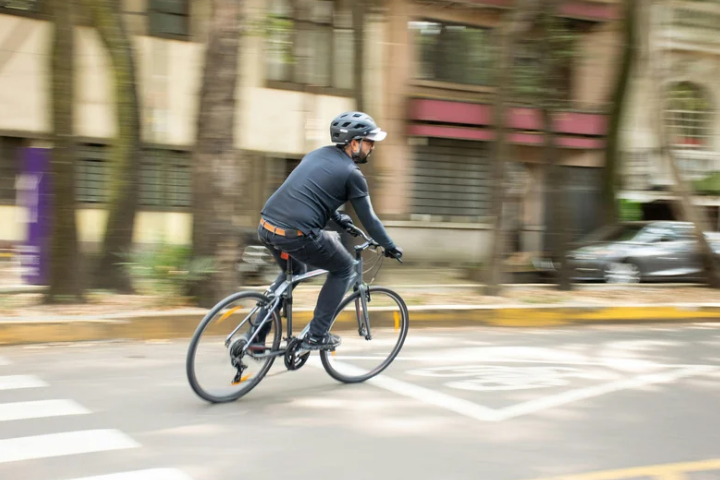
What does it take to help employees leave the car at home, without creating a complicated new program for your team?
That was the question facing two West Coast public employers: King County, Washington, and San Mateo County, California. Each was navigating a different mix of parking constraints, congestion, return-to-office expectations, and transportation goals. Both looked to e-bikes and scooters as a practical new commute option.
The Tale of Two Counties case study looks at how these public-sector leaders worked with Ridepanda to make active commuting more accessible for employees—and what happened next.
Their programs were not identical. One county incorporated Ridepanda into an established commuting benefit; the other began with a focused pilot to understand employee demand. Both approaches offered a way to advance transportation objectives while making the commute feel more flexible, enjoyable, and achievable for employees.
Download the complete case study to explore:
For public employers, commuting is rarely just a transportation issue. It touches employee experience, facility capacity, congestion, sustainability commitments, and commute trip reduction requirements. The strongest programs do not ask every employee to make the same choice; they make a better choice easier to take.
King County and San Mateo County demonstrate how an employer-sponsored e-bike and scooter benefit can fit into that broader strategy—whether you are building on an existing offering or validating the opportunity with a pilot first.
“Ridepanda made it easy to launch this pilot, and now I have evidence that there is a desire for this new commuting option and subsidy.”
Trevor Goodloe, Project/Program Manager II, King County Metro Transit
